
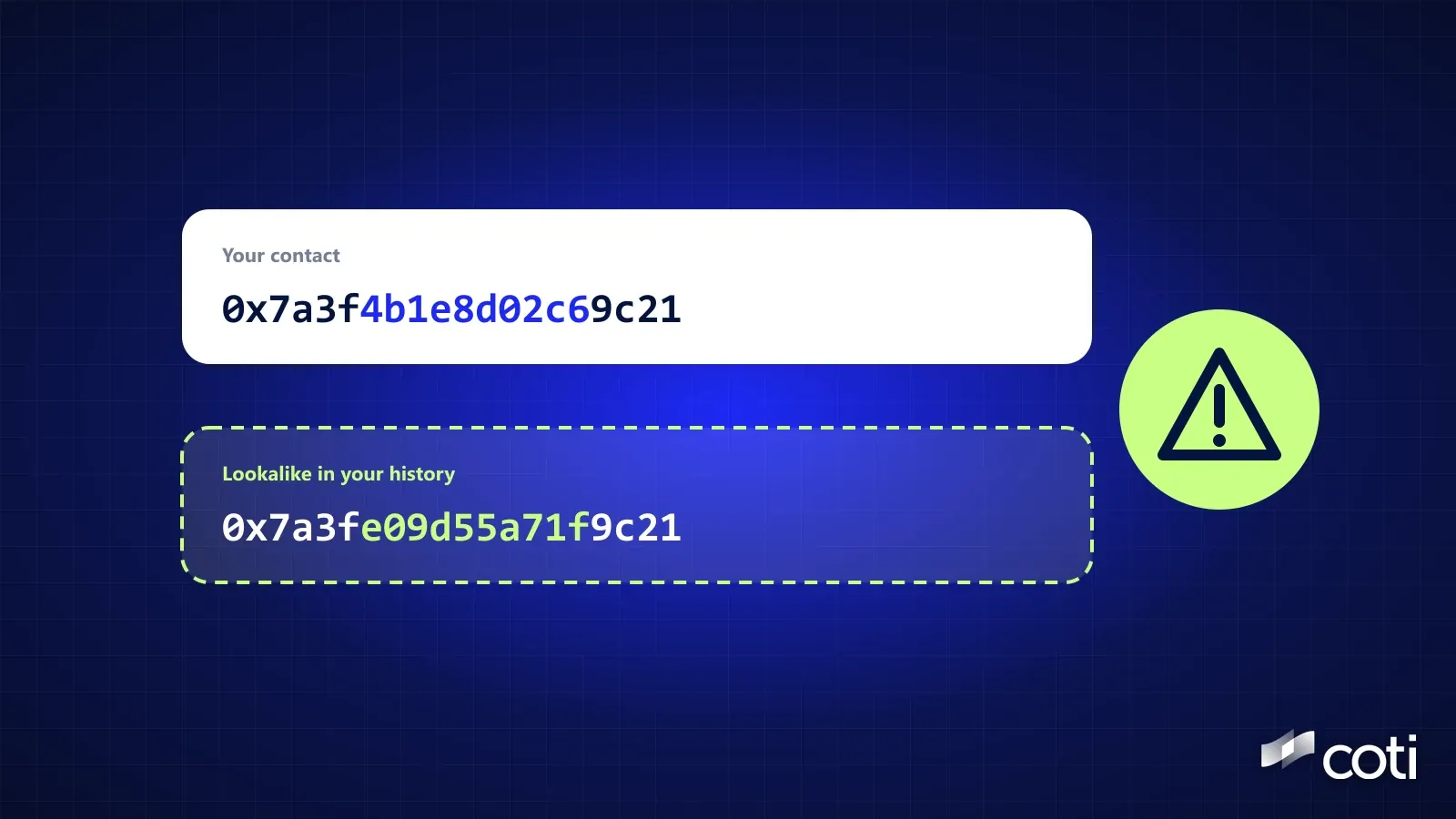
Address Poisoning Scams: How They Work and How to Avoid Them
Address poisoning is a crypto scam in which an attacker plants a tiny, zero-value or fake-token transaction in your history,
Read story ↗AUTHOR
Address poisoning is a crypto scam in which an attacker plants a tiny, zero-value or fake-token transaction in your history,
Read story ↗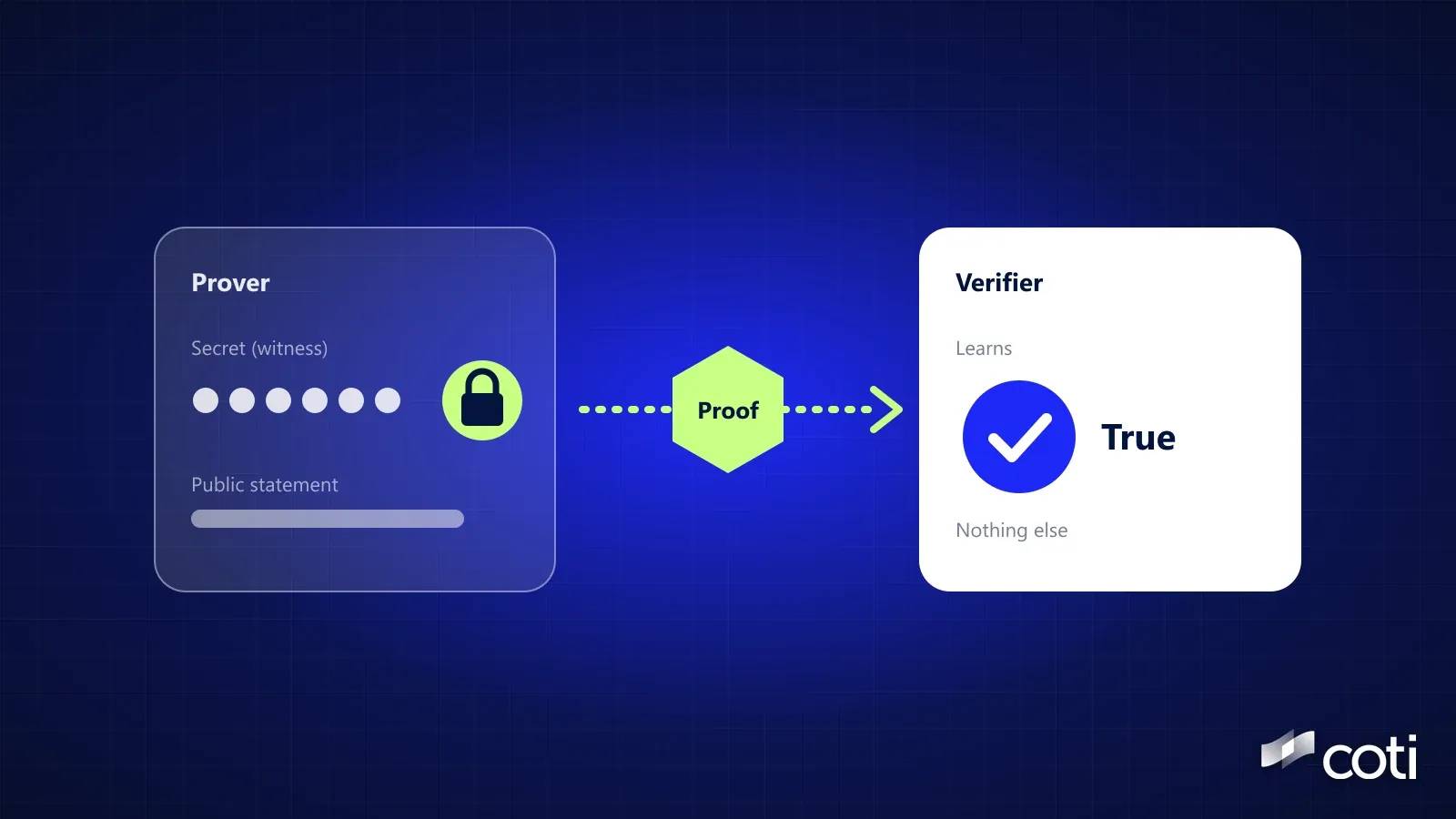
A zero-knowledge proof is a way to prove that a statement is true without revealing the information that makes it true.
Read story ↗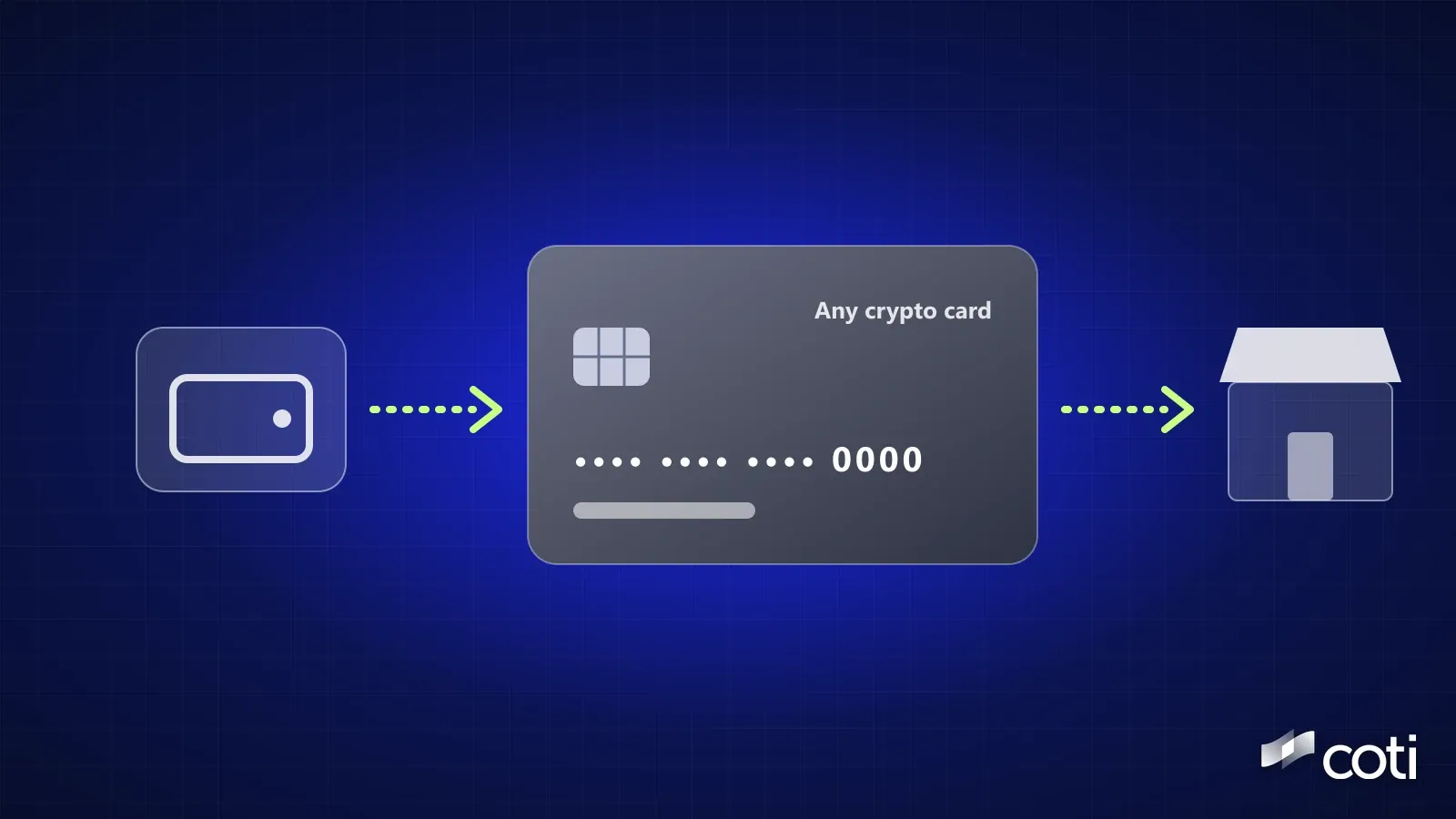
Crypto cards work by converting your crypto into regular money, either when you top up or at the moment you pay, so
Read story ↗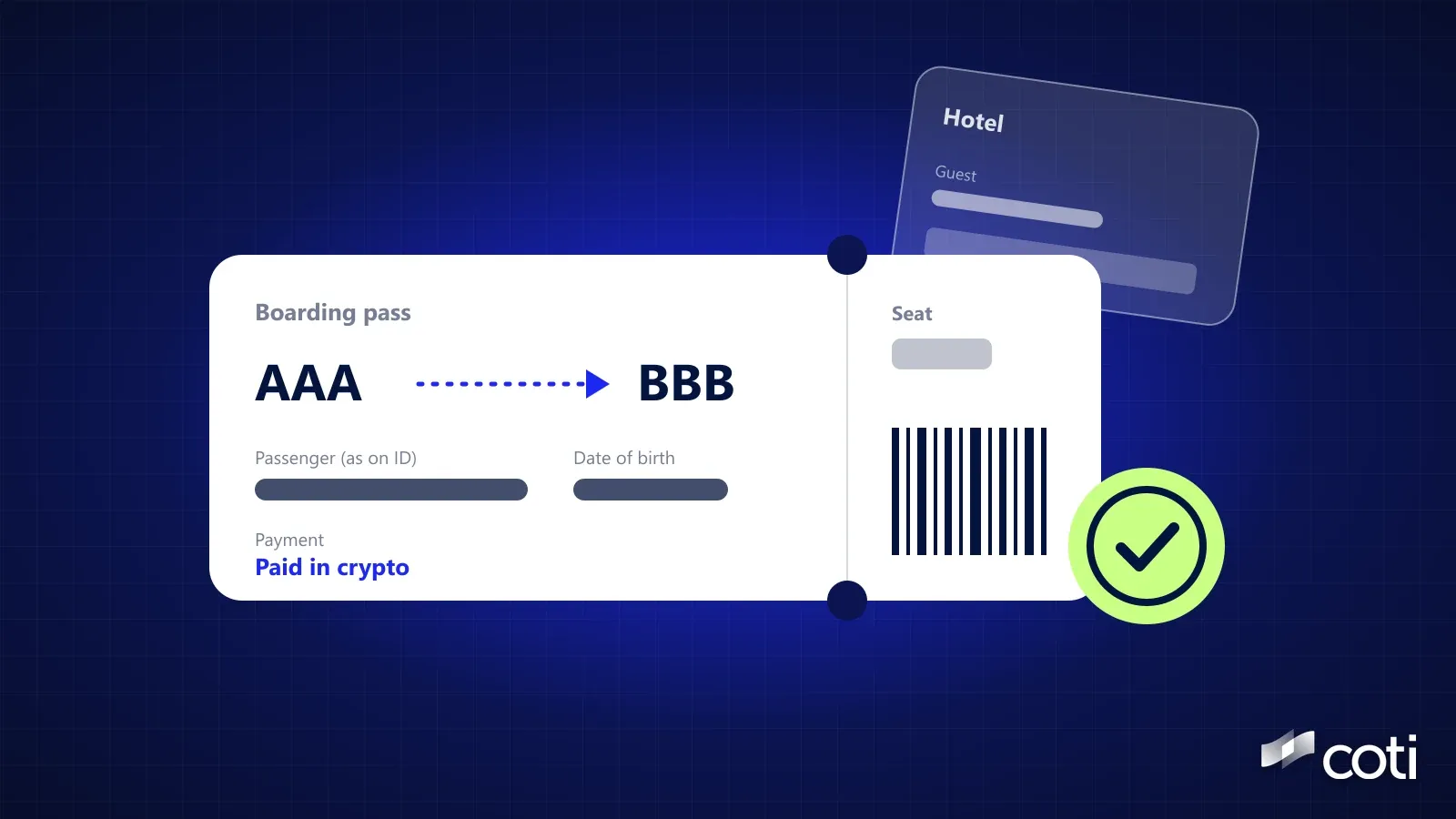
Yes, you can book some flights and hotels with crypto, through airlines and travel sites that accept it or through crypto payment
Read story ↗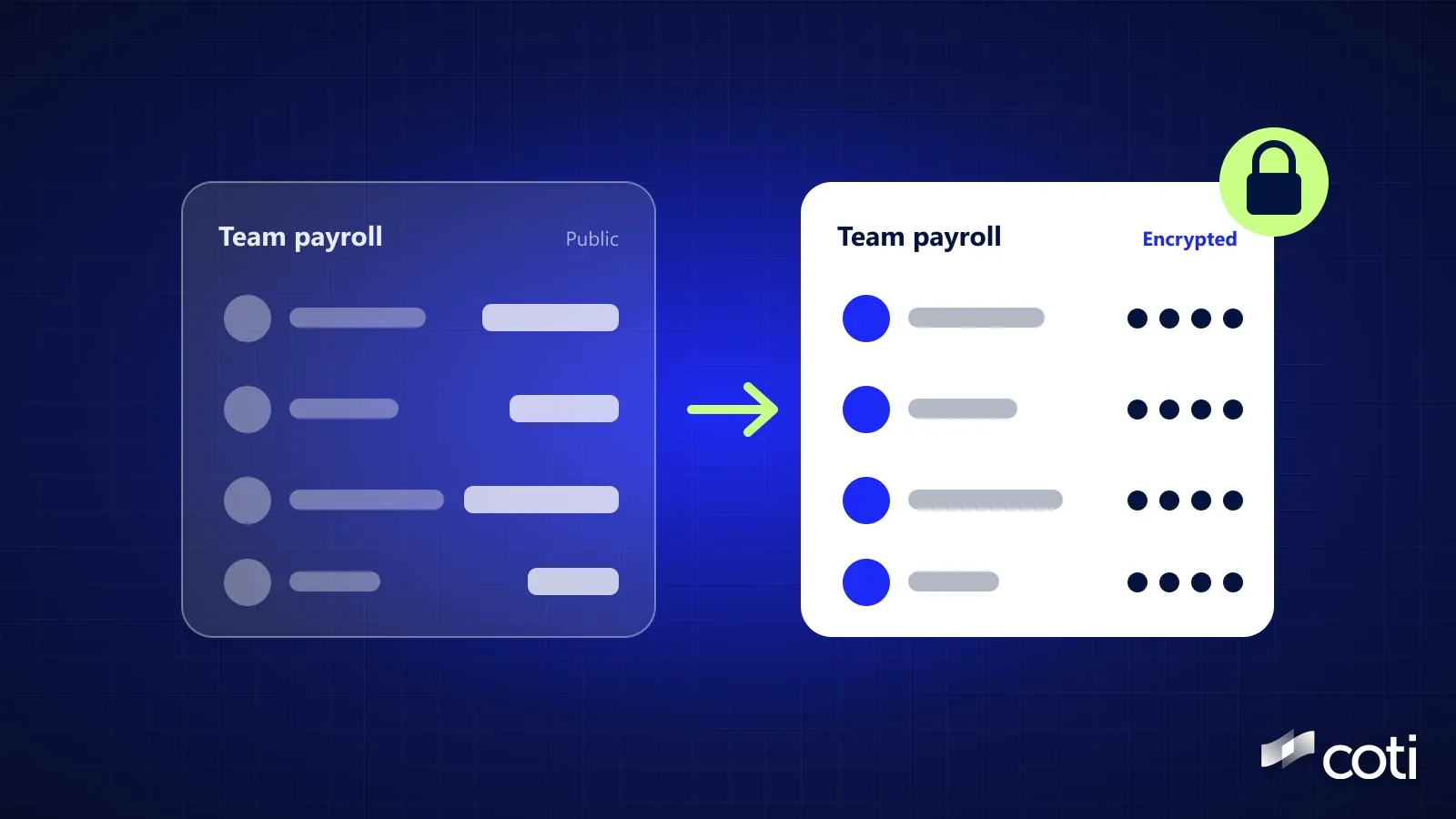
Crypto payroll means paying employees or contractors in crypto, usually stablecoins such as USDC or USDT. On a public blockchain, every one
Read story ↗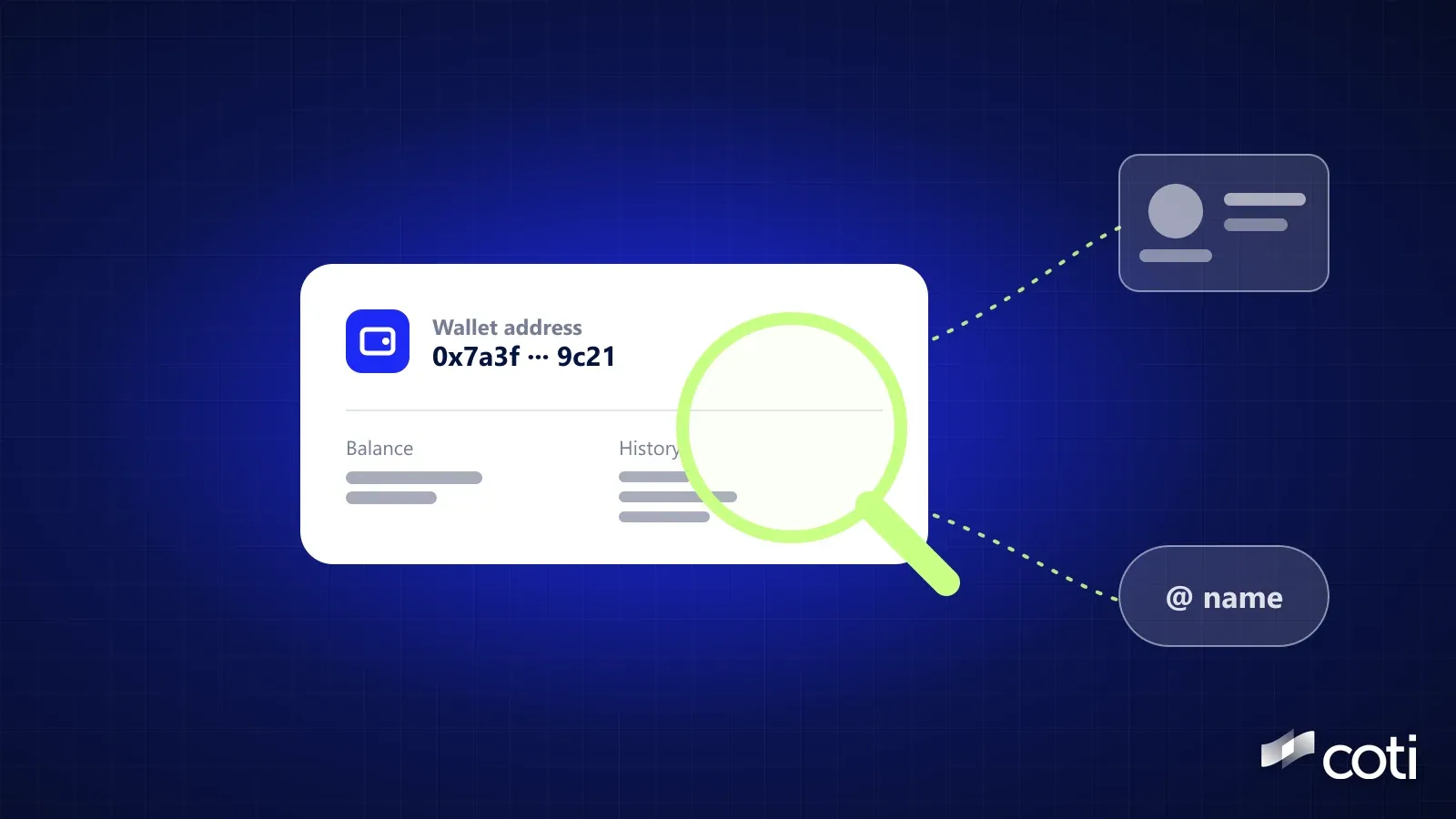
Yes, anyone who knows your crypto wallet address can see its balance and full transaction history on public blockchains such as Bitcoin
Read story ↗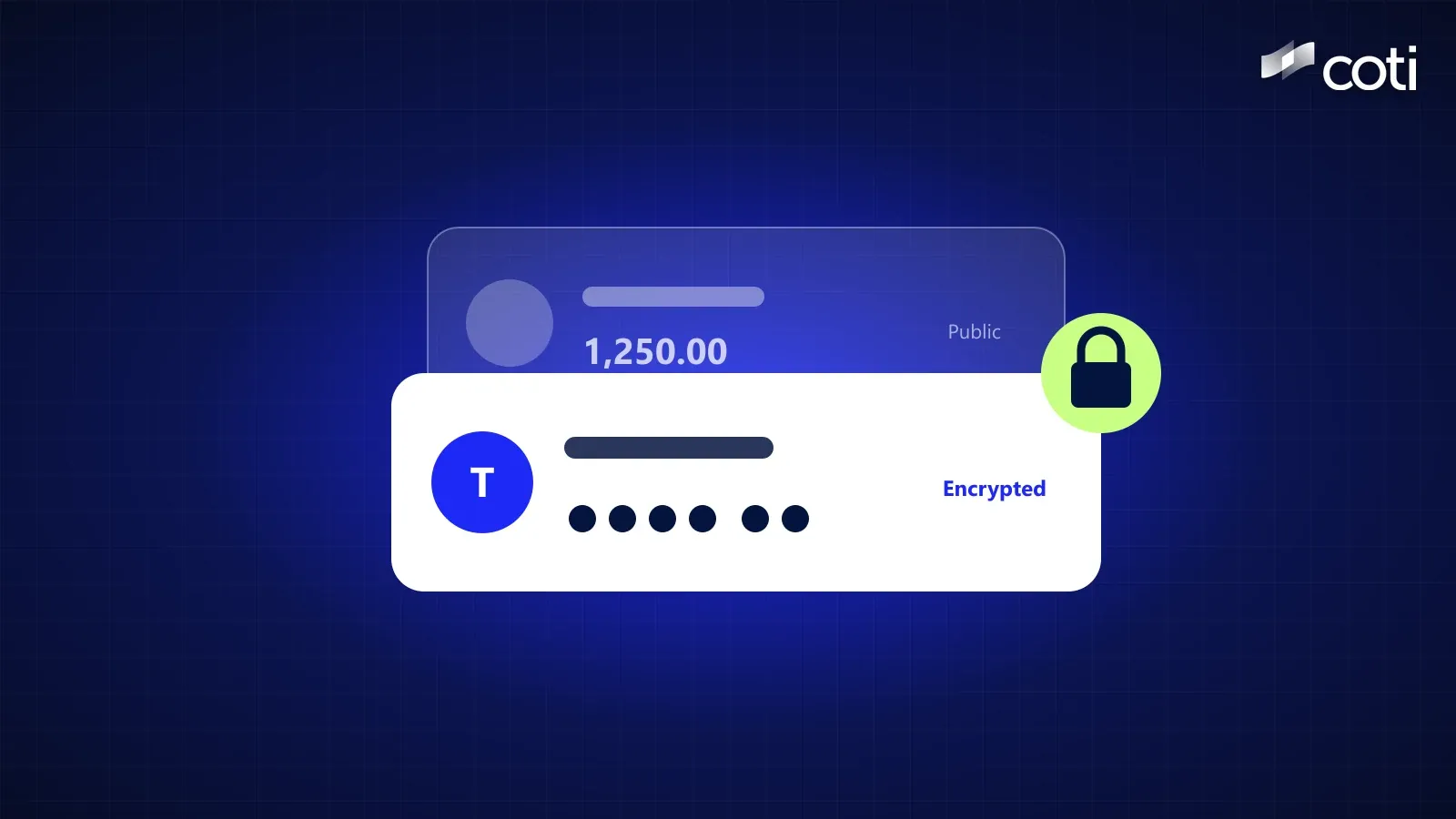
Confidential tokens are tokens whose balances and transfer amounts are encrypted on-chain, so anyone can see that a transfer happened between
Read story ↗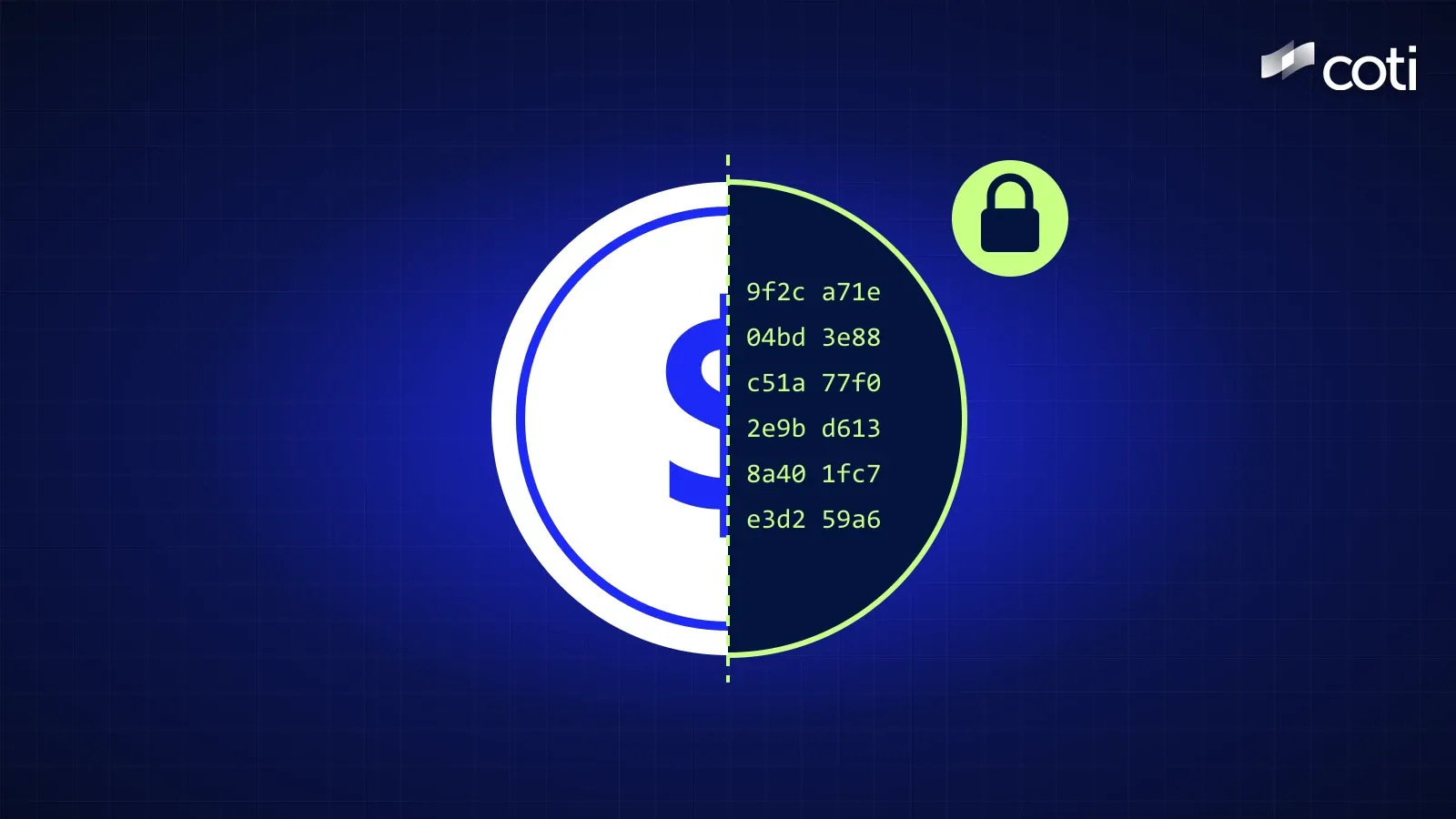
Stablecoin privacy starts close to zero: on Ethereum and similar chains, every USDC or USDT transfer is a public record of sender,
Read story ↗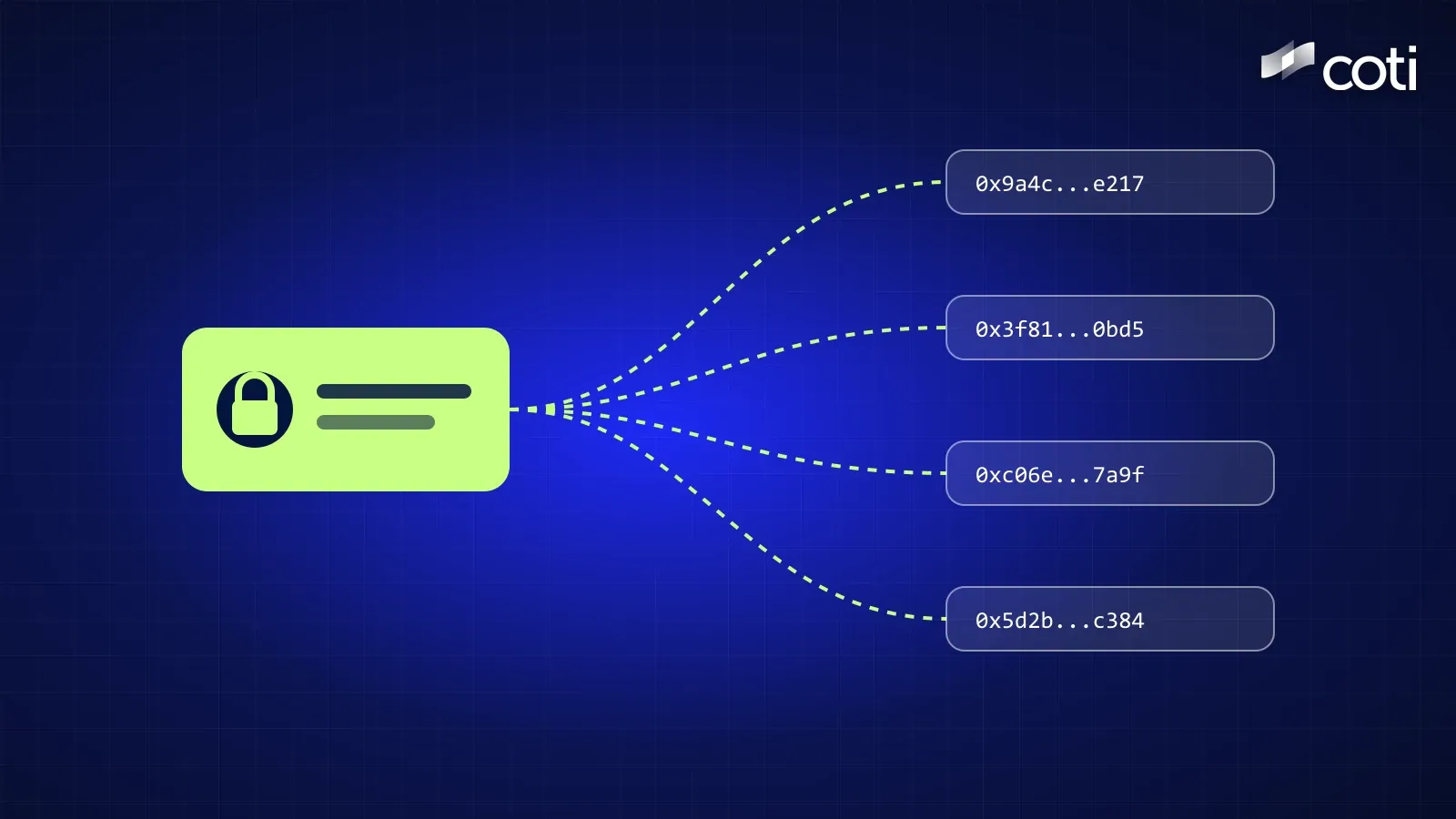
Stealth addresses let someone pay you without the payment landing on an address the world can tie to you. You publish one
Read story ↗