HSBC RedCoin, a Hong Kong dollar stablecoin, went live on HSBC's PayMe app on October 23, 2026, and unlike most stablecoins it runs on a private, permissioned blockchain where every validator node is operated by HSBC, according to HSBC's launch announcement and white paper. That design turns the usual stablecoin privacy picture around. There's no public chain for strangers to inspect, but the bank sees, holds and can freeze every coin.
Current as of October 23, 2026.
What HSBC Launched
HSBC RedCoin
- What it is: a stablecoin pegged to the Hong Kong dollar, ticker RCHKD, and HSBC's first stablecoin
- Issuer: The Hongkong and Shanghai Banking Corporation Limited, which the Hong Kong Monetary Authority licensed as a stablecoin issuer on April 10, 2026 (licence FRS02)
- Where it works: PayMe by HSBC, live from October 23, 2026, with wallet activation rolling out to PayMe's more than 3.3 million users "in the coming days", per HSBC. HSBC plans to add a RedCoin wallet to its HSBC HK Mobile Banking app later in 2026, and its terms describe that wallet as being for subscriptions to certain tokenised investment products
- What you can do: send it to friends and family who also have a RedCoin wallet in PayMe, and pay at more than 100,000 PayMe merchants, HSBC says. If a merchant needs cash, the terms say your RedCoin is converted to Hong Kong dollars first
- Backing: HSBC says each coin is fully backed at all times by segregated, high-quality liquid assets and is designed to be redeemable one for one for Hong Kong dollars, subject to its terms. The first independent attestation is expected after Q4 2026
- Not a deposit: HSBC's RedCoin page says it isn't covered by Hong Kong's Deposit Protection Scheme
How Is It Different From USDC or USDT?
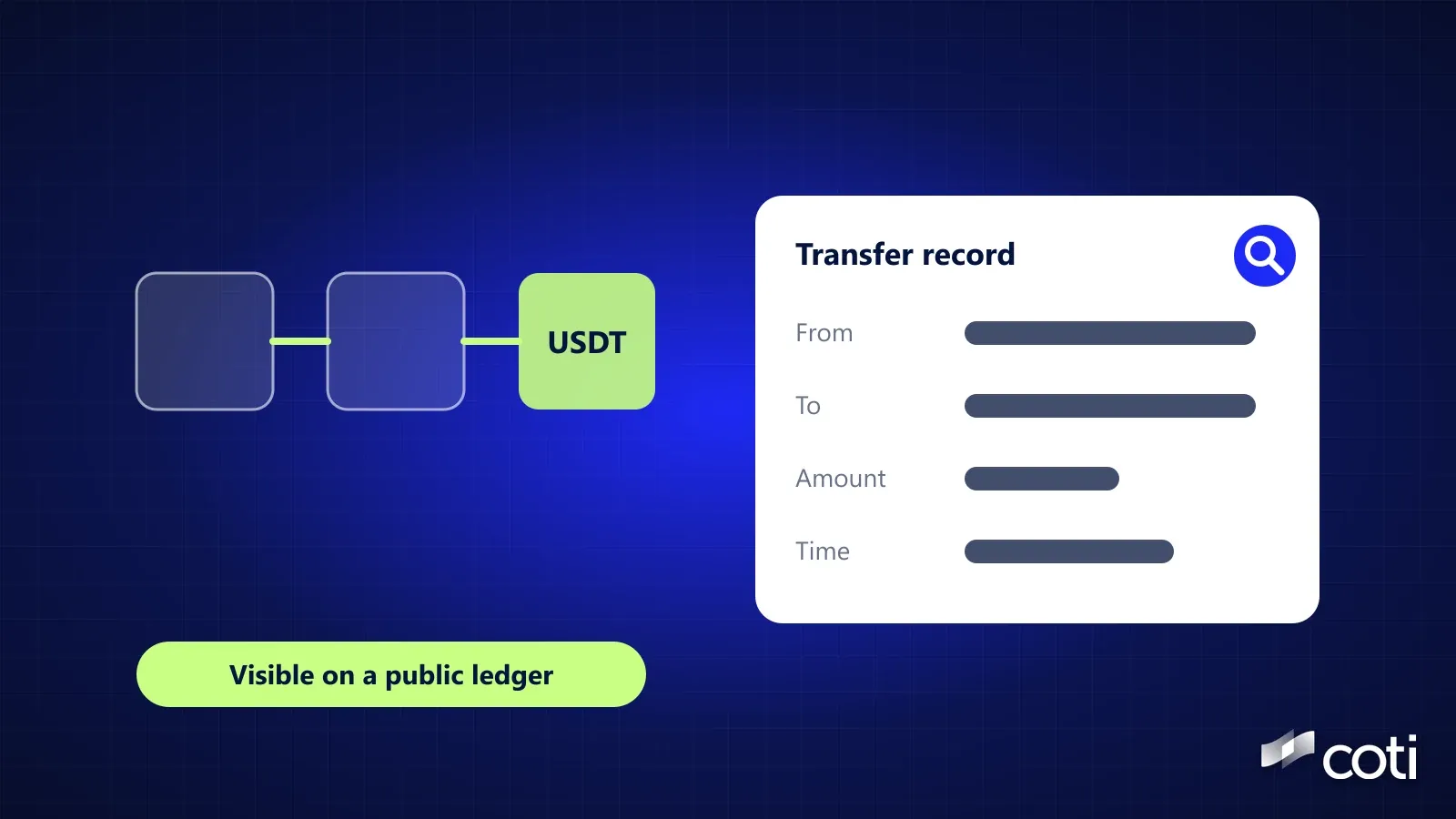
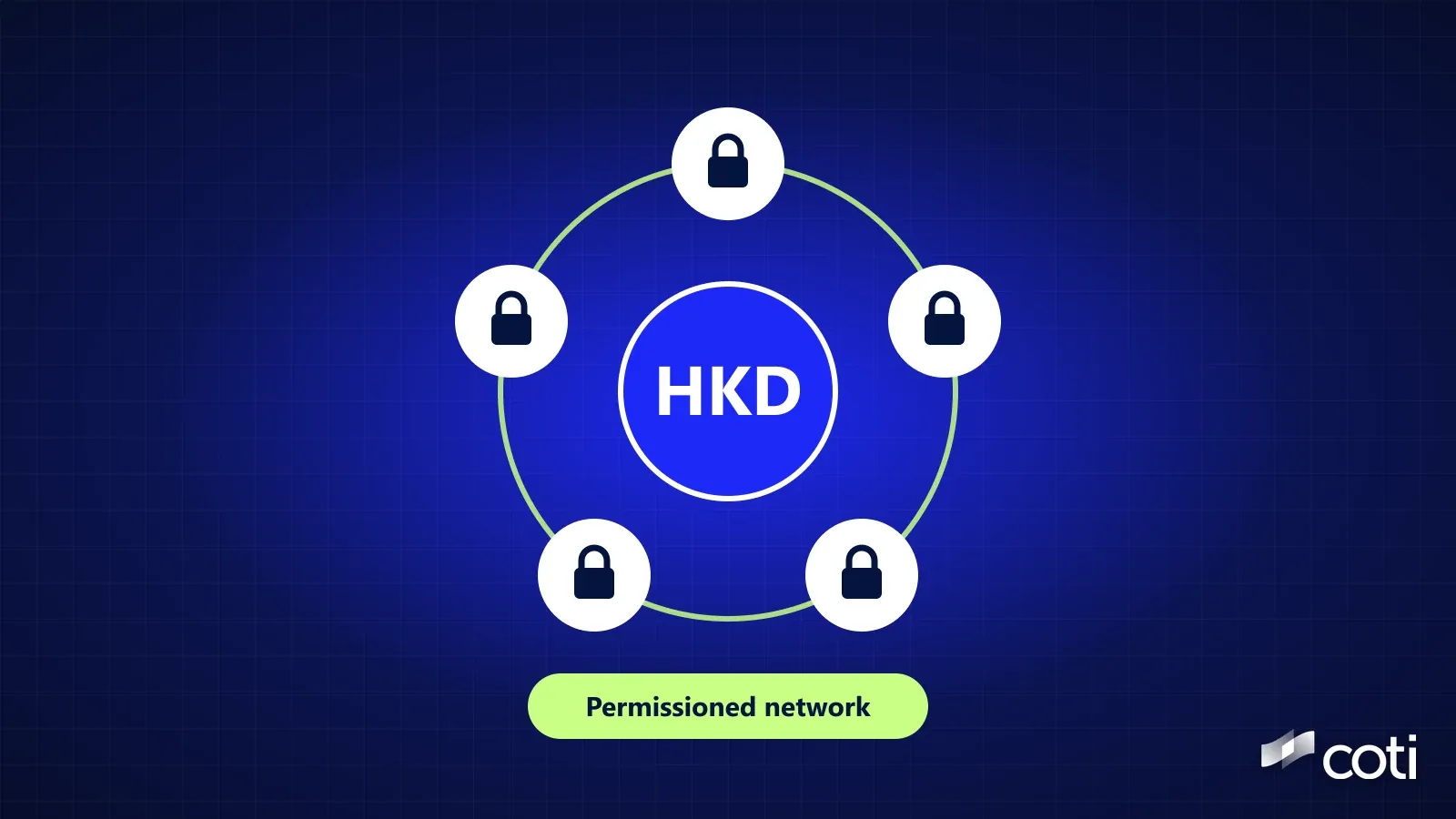
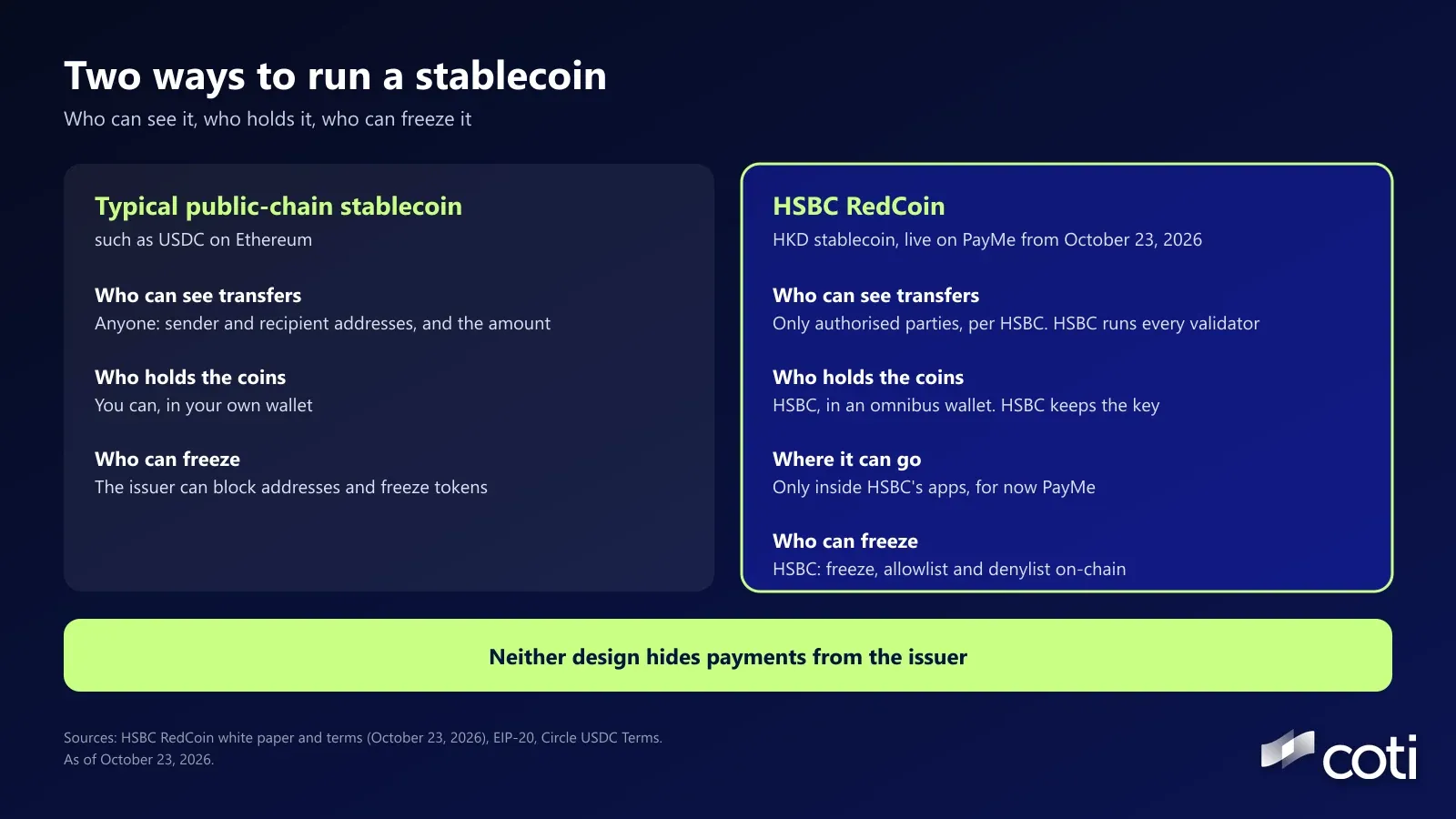
Stablecoins like USDC and USDT mostly live on public blockchains, where anyone can join the network and read the record. RedCoin doesn't. HSBC's terms say it's an ERC-20 token on a permissioned Hyperledger Besu blockchain that only allowlisted nodes can join, and the white paper says all validator nodes are owned and managed by the bank, with no outside participation. The white paper adds that the platform runs entirely within HSBC's own infrastructure, behind its firewall.
How you hold it is different too:
- Custody: HSBC holds all RedCoin in an omnibus wallet, as custodian on trust for holders, and keeps that wallet's private key. Your PayMe wallet shows your entitlement, recorded in HSBC's own records, not coins held at an address of your own.
- Where it can go: holders can buy, transfer and redeem RedCoin only through HSBC's permitted channels, and RedCoin can't move between the PayMe wallet and the HSBC HK app wallet.
- What's next: HSBC's white paper says the design is ready for future connections to public blockchains, subject to HKMA approval and transaction monitoring with blockchain analytics. HSBC hasn't announced a date, as of October 23, 2026.
What It Means for Your Privacy
From the public, less is exposed. On a public chain, a regular stablecoin transfer is a public record of the sender and recipient addresses and the amount, which anyone can look up on a block explorer. RedCoin's terms say: "Participation, transaction viewing, and submission are restricted to authorised persons/entities." HSBC doesn't say who those are. Its published documents describe public reporting of total supply and reserves, not of individual payments, as of October 23, 2026.
From the bank, nothing is hidden. HSBC's white paper says each customer's RedCoin balance is linked to their unique HSBC customer identifier and recorded in HSBC's internal ledger. It also says HSBC applies customer due diligence, sanctions screening and transaction monitoring, and that every conversion into and out of RedCoin is subject to ongoing anti-money laundering and sanctions monitoring. Its smart contracts support freezing, allowlists and denylists, and the terms say HSBC's financial crime checks may delay, block or refuse a payment. That's close to how a bank account works today.
Your data sits with HSBC. The white paper lists a personal data breach among RedCoin's risks and says HSBC applies information security and access controls to protect personal data. The terms point holders to HSBC's data privacy notice under Hong Kong's Personal Data (Privacy) Ordinance.
Our take: RedCoin gets privacy from the public by closing the network, and the trade-off is that one institution runs the network and can see, stop or reverse your payments. For many people paying a café in Hong Kong, that's a familiar trade. It's a different model from the public-chain stablecoins our stablecoin privacy guide covers, where anyone can see the transfers but you can hold the coins yourself.
What It Means for COTI Users
HSBC's launch doesn't involve COTI. COTI takes the other route: privacy on a public chain. COTI says its Privacy Portal has been live on Avalanche C-Chain with private AVAX and USDC since September 16, 2026, using its Privacy-on-Demand technology. COTI's explainer says that technology encrypts values such as amounts, not the fact that a transaction happened, and COTI's Privacy-on-Demand docs add that timing, gas and which contract was called can still leak. Moving tokens into or out of the Portal is a standard public token transfer, which under the ERC-20 standard records the addresses and the amount.
The Portal's terms of use allow its operator, CV2 Innovation Limited, to apply sanctions screening, wallet screening, transaction monitoring and blocking (accessed October 23, 2026). Neither model hides activity from everyone.
Frequently Asked Questions
Can I send HSBC RedCoin to MetaMask or another wallet?
Not according to HSBC's current documents. The terms say holders can buy, transfer and redeem RedCoin only through HSBC's permitted channels, which for now means PayMe, and they don't describe transfers to outside wallets, as of October 23, 2026. HSBC's RedCoin page says it isn't offered through any other third-party channels or platforms, and warns that stablecoins claiming an HSBC link elsewhere are fraudulent.
Who can use HSBC RedCoin?
PayMe users who meet HSBC's eligibility criteria, which HSBC decides at its sole discretion. HSBC's white paper says people who aren't existing PayMe or HSBC app users, or who don't pass its eligibility checks, must complete its standard digital onboarding and customer due diligence. The white paper says RedCoin is available only in Hong Kong, and the terms say HSBC may not be able to offer the wallet to people using its apps outside Hong Kong.
Can HSBC freeze RedCoin?
Yes. HSBC's white paper says its smart contracts enforce freezes, allowlists and denylists, and its terms say financial crime checks may delay, block or refuse a payment. The terms also let HSBC suspend your wallet with or without telling you in advance or giving a reason, and return a transfer it reasonably believes was credited in error or made through fraud or mistake.
Is HSBC RedCoin the same as money in a bank account?
No. HSBC's terms say neither RedCoin nor the wallet is a bank account, and its RedCoin page says it isn't covered by Hong Kong's Deposit Protection Scheme. HSBC holds the coins on trust for holders, and the terms set out holders' rights over the reserve assets if HSBC becomes insolvent. Any shortfall claim against HSBC is an unsecured debt claim, the terms say.
Where to Go From Here
As banks start issuing stablecoins, it's worth knowing what each design shows and to whom. For who can see and freeze a stablecoin on a public chain, read our stablecoin privacy guide. For what COTI's privacy technology hides and what can still leak, see COTI's Privacy-on-Demand overview.
Details checked October 23, 2026. Product features and dates can change. Nothing here is financial or legal advice. COTI will never ask for your seed phrase or private key, and only COTI's official channels (coti.io, docs.coti.io, COTI's Medium blog and its official X and Telegram) carry announcements.
Sources
- HSBC RedCoin launches today, HSBC, published October 23, 2026, accessed October 23, 2026
- White Paper for HSBC RedCoin, HSBC, published October 23, 2026, accessed October 23, 2026
- Terms and Conditions for HSBC RedCoin, HSBC, accessed October 23, 2026
- Hong Kong Dollar Stablecoin (HSBC RedCoin), HSBC, accessed October 23, 2026
- Robust development of the regulated stablecoin ecosystem in Hong Kong, Eddie Yue, HKMA Insight, published April 10, 2026, accessed October 23, 2026
- EIP-20: Token Standard, Ethereum Improvement Proposals, accessed October 23, 2026
- USDC Terms, Circle, last updated October 15, 2026, accessed October 23, 2026
- COTI x Avalanche: Privacy Built for Business, COTI, published September 16, 2026, accessed October 23, 2026
- Privacy-on-Demand: How Privacy Works Across Chains, COTI, published September 1, 2026, accessed October 23, 2026
- COTI Privacy Portal, COTI documentation, accessed October 23, 2026
- What is Privacy on Demand?, COTI documentation, accessed October 23, 2026
- Privacy Portal Terms of Use, CV2 Innovation Limited, accessed October 23, 2026